
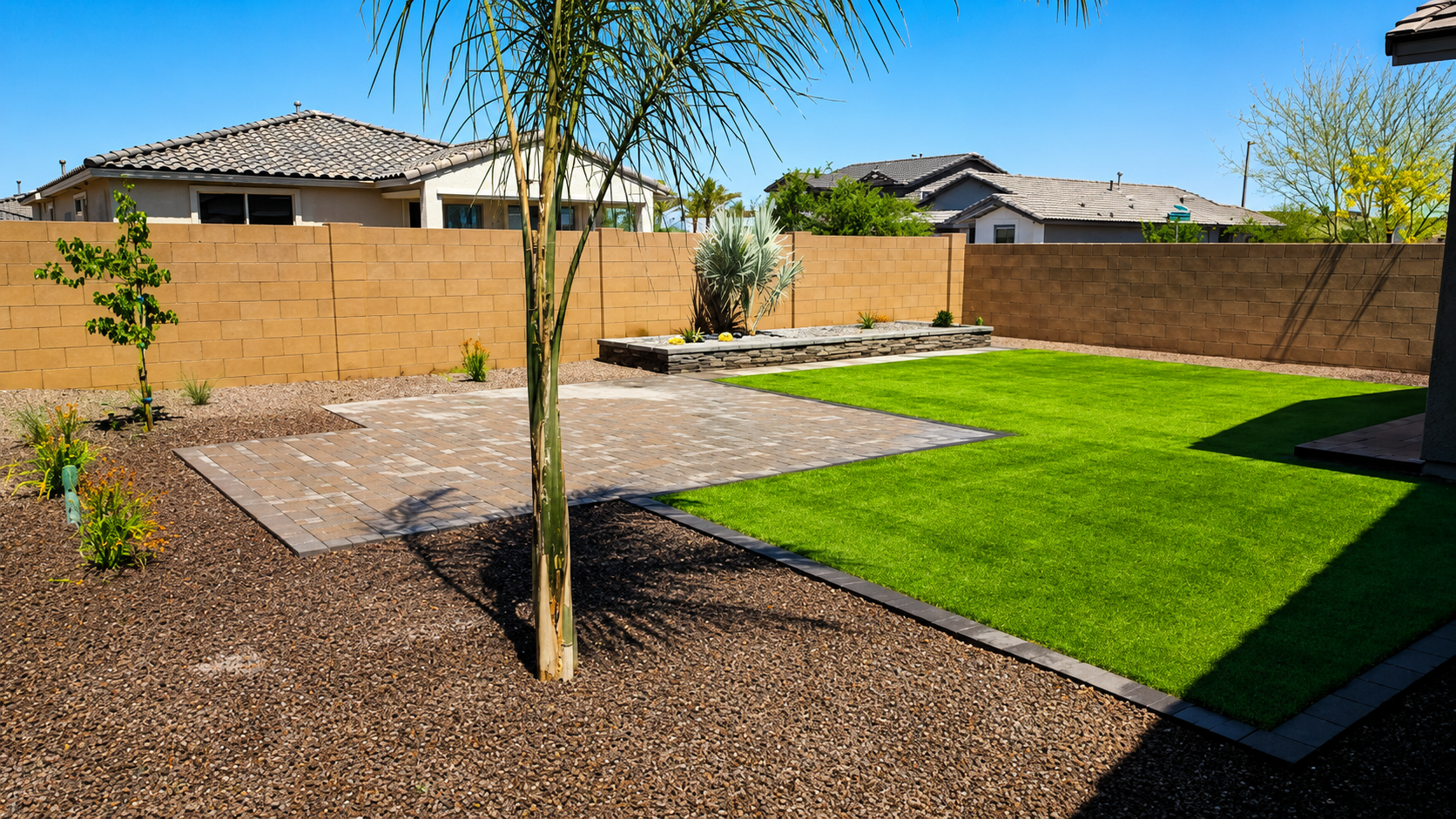
A hardscape project may transform the appearance and atmosphere of an outdoor area. Often, a new patio, pathway, retaining wall, fire feature, or outdoor gathering space becomes the spot where memories are formed for years to come. But the success of any hardscape project boils down to one essential decision: picking the correct materials.
A lot of homeowners look at colors, forms, and design ideas initially. Looks are important, but the materials behind those design decisions are much more important. Choosing the incorrect material might mean cracking, fading, staining, more upkeep, and unforeseen costs. On the other side, the appropriate material may save you cash, decrease care, and keep an outdoor area looking fabulous for a long time.
It pays to know what various materials provide you with before you spend a dime on a hardscape project and how they affect the long-term worth of your investment.
Your Material Choice Impacts More Than Appearance
At first glance, many hardscape materials look similar. A patio made from one material may seem almost identical to another when viewed online or in a showroom.
However, daily use tells a different story.
Materials influence:
- Durability
- Maintenance needs
- Heat retention
- Safety
- Long-term costs
- Weather resistance
- Repair requirements
- Property value
This is why you should never choose materials only by how they seem.
A lovely patio that needs periodic maintenance is sometimes a cause of irritation. In the meantime, a good material will give years of pleasure with very little maintenance.
Think About How the Space Will Be Used
Selecting materials without considering how the space will actually function is one of the biggest mistakes homeowners make.
Each outdoor place provides a particular function.
A pathway receives different traffic than a backyard patio. Similarly, a retaining wall has different needs than an outdoor cooking area.
Before you pick materials, think:
- Daily foot traffic
- Furniture placement
- Children’s activities
- Pet use
- Outdoor cooking
- Entertaining guests
- Exposure to sunlight
- Water drainage
A material that works well for one job may not work well for another. The whole project is more practical and fun when the materials are suitable for the intended usage.
Understand the Difference Between Natural Stone and Manufactured Materials
Many homeowners narrow their choices down to natural stone or manufactured products. Both options have benefits.
Natural Stone
Natural stone has a timeless look and feel. No two parts are the same; each installation is unique. Common examples include:
- Flagstone
- Travertine
- Slate
- Limestone
- Granite
Benefits often include:
- Natural beauty
- Strong durability
- Unique textures
- Long lifespan
However, natural stone can cost more and may require additional installation expertise.
Manufactured Materials
Manufactured materials include products such as concrete pavers and concrete blocks.
Benefits often include:
- Consistent appearance
- Wide color selection
- Easier replacement
- Lower initial costs
Many modern manufactured products closely resemble natural stone while offering practical advantages for certain budgets.
The best choice depends on project goals rather than trends.
Do Not Ignore Climate Conditions
Weather impacts hardscape materials each and every day. Performance will degrade over time due to exposure to sunlight, changes in temperature, moisture, and soil movement.
In regions like Arizona, heat has a big impact. Some materials take in and hold more heat than others. This may make patios unpleasant during the hot months.
Some materials also hold up better to sunlight and keep their color longer. Choose your supplies wisely:
- Local climate conditions
- Seasonal temperature changes
- Direct sunlight exposure
- Rainfall patterns
- Drainage needs
Materials that function well in certain regions may not perform well in others. The ultimate selection should always be influenced by local variables.
Maintenance Matters More Than Most People Realize
A lot of property buyers look at the purchase price and forget about future upkeep. Unfortunately lower upfront prices don’t necessarily mean reduced long-term costs.
Some materials require:
- Regular sealing
- Frequent cleaning
- Weed control
- Joint maintenance
- Surface treatments
Others need very little attention.
One of the best ways to save time and money throughout the life of a project is to use a low-maintenance material. So it is good to think about continuous maintenance before making a final choice.
Consider Safety Alongside Style
Material selection should always take into account safety. Some surfaces are slippery when wet. Others grow quite heated under direct sunshine. Texture makes a big difference.
For example, surfaces that give more traction are great for areas near pools, outdoor kitchens, and heavily utilized paths.
Families with children, elderly persons, and pets typically like products like:
- Better grip
- Even surfaces
- Reduced slipping risks
- Comfortable walking temperatures
A safe outdoor space creates a better experience for everyone who uses it.
Pay Attention to Long-Term Value
Some materials cost more initially but deliver better value over time. This is particularly relevant in the comparison of hardscape choices.
For example, a less expensive material that needs regular repairs can end up costing more than a higher-quality material that lasts for decades. When you’re assessing materials, look beyond the price tag of today.
Instead, think about:
- Expected lifespan
- Maintenance expenses
- Repair frequency
- Replacement costs
- Appearance over time
Long-term value often provides a clearer picture than initial cost alone.
Color Choices Affect More Than Design
The choice of color influences appearance and comfort. Usually, darker fabrics absorb more heat. Lighter hues tend to be cooler in the sun.
Color also affects the perceived cleanliness of a surface. Some hues conceal dust and filth better. Some hues reveal stains more readily. Also, the entire atmosphere of an outdoor place is affected by color.
Warm tones offer a welcome vibe, whereas cooler tones generally produce a peaceful and tranquil ambiance. Giving time to examine color selections may enhance both function and attractiveness.
Drainage Should Never Be an Afterthought
Water is one of the most common causes of hardscape problems.
Poor drainage can lead to:
- Surface damage
- Soil movement
- Standing water
- Material shifting
- Increased maintenance
The suitable material is matched with a good drainage design. For example, permeable pavers enable water to travel through the surface and back into the ground below.
This may help prevent water build-up while promoting healthy drainage. Drainage issues should, therefore, be included in the material selection process right from the start.
Matching Materials Creates a More Unified Look
A hardscape project often includes multiple features.
Examples include:
- Patios
- Walkways
- Fire features
- Retaining walls
- Outdoor kitchens
- Seating walls
Select materials that go together to create a cohesive look. That doesn’t mean everything has to match precisely. Instead, materials should play well together. Consistent textures, colors, and styles contribute to a polished design that seems planned rather than unconnected.
Avoid Following Short-Term Trends
Trends come and go. What is ubiquitous now may seem antiquated a few years down the line. Design ideas can be inspiring today, but timeless material choices usually have lasting value.
Classic materials tend to stay popular because they continue to work through shifting fashions. Long-term appeal, durability, and utility may beat pursuing transitory trends.
Samples Can Prevent Expensive Mistakes
Photos rarely tell the full story.
Lighting conditions, camera settings, and screen displays can make materials look very different from reality.
Seeing samples in person provides a much clearer understanding of:
- Color
- Texture
- Size
- Surface feel
- Heat retention
Many homeowners change their minds after viewing actual samples outdoors.
This simple step can help avoid costly regrets later.
Installation Quality Is Just as Important as Material Quality
Even the best material can fail if it is not installed properly. Performance is affected by a good base, suitable grading, proper spacing, and proper drainage. Hence, the material selection and quality of installation should always be in tandem. Good materials and competent installation usually provide the finest long-term effects.
Final Verdict
Choosing materials for a hardscape project is about so much more than looks. Every material impacts durability, maintenance, comfort, safety, and long-term value. So investing the time to shop around wisely will save money in the long run and build an outdoor environment that will operate well year after year.
Great projects start with smart choices, reasonable expectations, and materials that match not just the property but also the people who will use it. Companies like Future Valley Hardscape know the value of choosing materials that work well with local circumstances when homeowners are considering outdoor upgrades in Arizona, helping to create outdoor areas created for enduring pleasure.